Source Anti Aging Bakuchiol Face Serum for Face, Neck, and Body
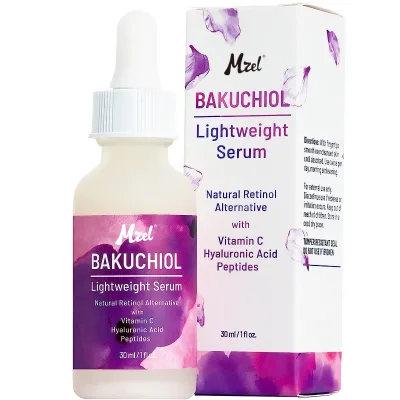
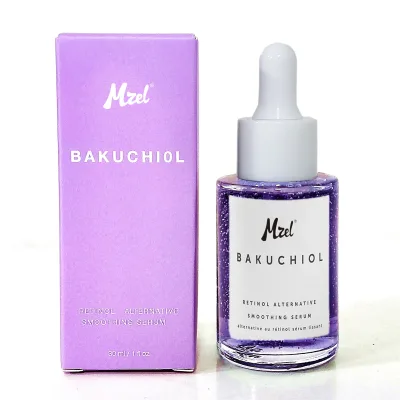
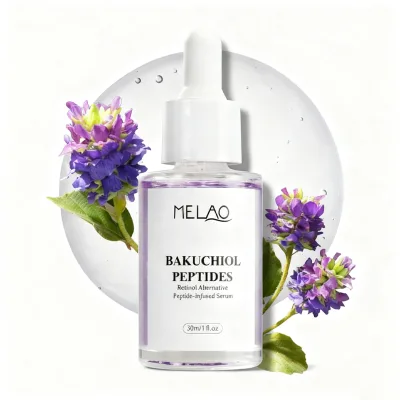
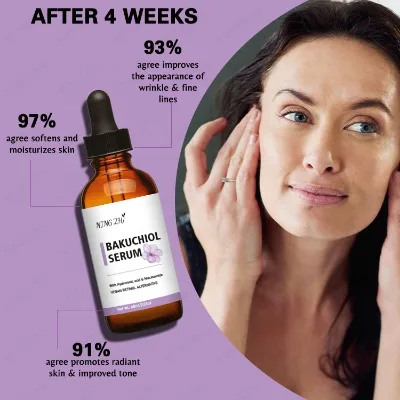
Find 30 anti aging bakuchiol face serum options from verified manufacturers. Compare formulations featuring hyaluronic acid, vitamin C, and peptides for face, neck, and body care. Review OEM services, certifications, and pricing to streamline your sourcing process; compare the available evidence and request quotations based on your requirements.
Key considerations
Products List





Comprehensive Sourcing Guide
Anti Aging Bakuchiol Face Serum Sourcing Guide
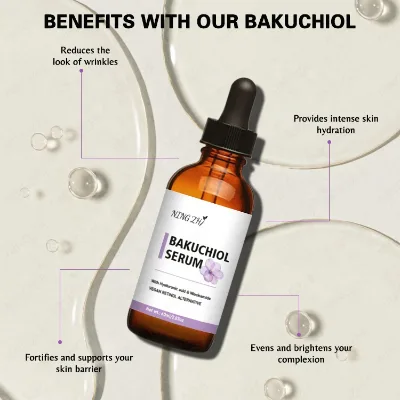
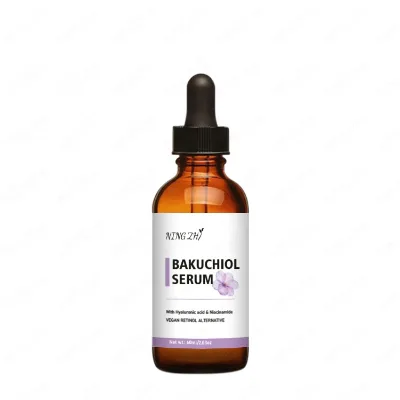
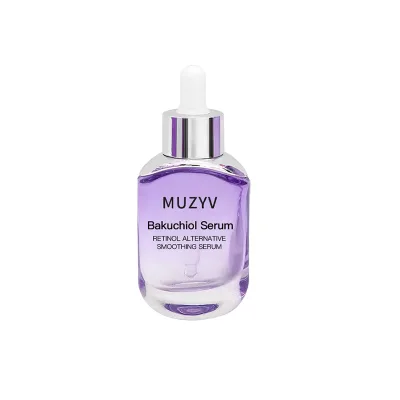
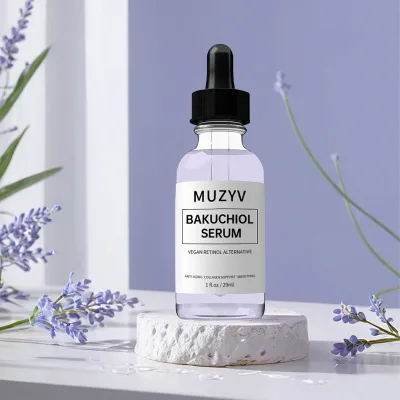
Sourcing anti aging bakuchiol face serum requires a strategic balance between botanical efficacy and cosmetic stability. Buyers must recognize that bakuchiol serves as a plant-based alternative to retinol, offering similar rejuvenating benefits with reduced potential for irritation. This makes it particularly suitable for sensitive skin types and those seeking gentle yet effective skincare solutions. The market offers various formulations, often combining bakuchiol with complementary ingredients like hyaluronic acid, vitamin C, and peptides to enhance hydration and brightening effects.
Procurement decisions should focus on verifying the specific concentration and source of bakuchiol, as efficacy varies significantly across products. Suppliers may offer private label services, allowing brands to customize packaging and ingredient profiles. It is crucial to assess whether the serum is designed for facial use only or if it extends to neck and body applications. Understanding the target demographic, such as female consumers seeking anti-aging benefits, helps in selecting products that align with brand positioning and consumer expectations in the competitive beauty sector.
Product Scope and Observed Listing Signals
The current market landscape for anti aging bakuchiol face serum includes diverse product variations, ranging from standard 30ml bottles to customized volumes. Listings often highlight key features such as skin revitalization, dark circle reduction, and moisturizing properties. Common ingredients observed include glycerin, collagen, and herbal extracts, which contribute to the serum’s nourishing and lightening effects. Buyers should note that some products are marketed as sulfate-free, paraben-free, and cruelty-free, appealing to ethically conscious consumers.
Price points and minimum order quantities (MOQs) vary widely, with some suppliers offering low MOQs for sampling and higher volumes for bulk production. Observed listings indicate MOQs ranging from 200 to 1000 pieces, catering to both small startups and established brands. The product form is consistently liquid, packaged in boxes with specific dimensions that impact shipping costs. Buyers must evaluate these logistical details alongside product attributes to ensure alignment with their supply chain capabilities and inventory management strategies.
Technical Specifications to Verify
Technical verification begins with confirming the model numbers and single package sizes, which directly influence storage and shipping efficiency. For instance, some serums come in compact packages measuring approximately 4x4x11 cm, while others may have slightly different dimensions. The single gross weight is typically around 0.13 kg, a factor that affects freight calculations. Buyers should also verify the shelf life, which is commonly listed as three years, ensuring product longevity and reducing waste risks.
Additionally, the form of the product, whether liquid or other, must be confirmed to ensure compatibility with existing packaging lines. The presence of specific ingredients like 1.3% bakuchiol peptides or centella extract should be validated against supplier claims. Buyers must also check if the product is suitable for various target areas, including the face, neck, and body. Ensuring these technical specifications are accurate prevents discrepancies between ordered and delivered goods, maintaining brand integrity and customer satisfaction.
Compliance and Safety Documentation
Compliance is paramount in the cosmetic industry, and buyers must ensure that suppliers provide necessary certifications. Common certifications observed include BSCI, ISO22716, GMP, HALAL, CPNP, SCNP, MSDS, and COA. These documents verify that the manufacturing processes meet international standards for quality and safety. Buyers should request these certifications to confirm that the serum is produced in a regulated environment, minimizing risks associated with contamination or non-compliance.
Furthermore, understanding the regulatory requirements in target markets is essential. For example, CPNP registration is mandatory for products sold in the European Union. Buyers must verify that the supplier can provide the necessary documentation for each market they intend to enter. This includes ensuring that the ingredient list complies with local regulations and that the product has undergone appropriate safety assessments. Proper documentation not only facilitates smooth customs clearance but also builds trust with consumers who prioritize safety and transparency.
Cost Drivers and Commercial Terms
Cost drivers for anti aging bakuchiol face serum include raw material quality, packaging customization, and order volume. Suppliers often offer OEM, ODM, and private label services, which can increase costs due to the additional labor and design work involved. Buyers should negotiate clear terms regarding customization, such as logo printing with matt varnish, to avoid unexpected charges. Understanding the payment methods, such as PayPal, Western Union, T/T, or Trade Assurance, is also crucial for financial planning and risk management.
Delivery times are another significant factor, with private label orders typically taking 20 to 25 days. Buyers must account for this lead time in their inventory planning to avoid stockouts. Additionally, the availability of samples should be confirmed, as this allows for quality assessment before committing to large orders. By carefully evaluating these commercial terms, buyers can optimize their procurement strategy, balancing cost efficiency with timely delivery and product quality.
Supplier Qualification and Quality Control
Supplier qualification involves assessing their production capabilities, quality control processes, and reputation. Buyers should verify that the supplier has a proven track record in manufacturing cosmetic products, particularly serums. Checking for certifications like ISO22716 and GMP provides assurance that the supplier adheres to strict quality standards. Additionally, buyers should inquire about the supplier’s ability to handle customized orders, including private labeling and unique packaging requirements.
Quality control measures should be clearly defined, including pre-production samples and final product inspections. Buyers must ensure that the supplier conducts rigorous testing to verify ingredient concentrations and product stability. This includes checking for consistency in color, texture, and scent. By establishing a robust quality control framework, buyers can minimize the risk of receiving substandard products, ensuring that their brand maintains a high level of quality and customer trust.
Long-Term Procurement Checks
Long-term procurement success depends on continuous monitoring of supplier performance and market trends. Buyers should regularly review supplier delivery times, product quality, and responsiveness to issues. Establishing a feedback loop with the supplier can help identify areas for improvement and strengthen the partnership. Additionally, staying informed about emerging ingredients and formulations in the anti-aging serum market allows buyers to adapt their product offerings to meet changing consumer preferences.
It is also important to periodically reassess compliance requirements and certifications, as regulations can evolve. Buyers should ensure that their suppliers remain up-to-date with these changes to avoid disruptions. By maintaining a proactive approach to supplier management and market analysis, buyers can secure a reliable supply chain and maintain a competitive edge in the dynamic beauty industry. This strategic focus on long-term relationships and adaptability ensures sustained growth and customer loyalty.
FAQs
What are the main ingredients in this anti aging bakuchiol face serum?
The serum contains Glycerin, Hyaluronic Acid, Vitamin C, Collagen, Retinol, and bakuchiol serum. Some formulations also include Carnosine, Centella, Glutathione, and Peptides. These ingredients work together to provide moisturizing, anti-aging, and skin revitalizing effects for the face and neck.
Can I get private label services for this bakuchiol serum?
Yes, OEM, ODM, and private label services are available. You can customize the logo with a matt varnish finish and accept customized packaging. The product supports branding needs for businesses looking to launch their own line of natural anti-aging skincare products with professional care.
What certifications does this anti aging bakuchiol face serum have?
The product holds BSCI, ISO22716, GMP, HALAL, CPNP, SCNP, MSDS, and COA certifications. These credentials ensure compliance with international safety and quality standards, making it suitable for global distribution and meeting regulatory requirements for cosmetic products in various international markets.
What is the minimum order quantity for this serum?
The minimum order quantity varies by supplier, typically ranging from 200 to 1000 pieces. Some listings specify an MOQ of 200 pcs, while others require 1000 pcs. Buyers should check specific supplier terms to determine the exact quantity required for their initial order.
How long is the shelf life of this bakuchiol serum?
The shelf life is three years for most listed products. This duration ensures product stability and efficacy until the expiration date. Buyers should store the serum in a cool, dry place to maintain its quality and ensure the ingredients like Vitamin C and Retinol remain effective.
Where is this anti aging bakuchiol face serum manufactured?
The product originates from Guangdong, China. This region is known for its robust manufacturing capabilities in the cosmetics industry. Buyers can source directly from factories in this area, ensuring access to professional skin care production facilities and efficient logistics for international shipping.